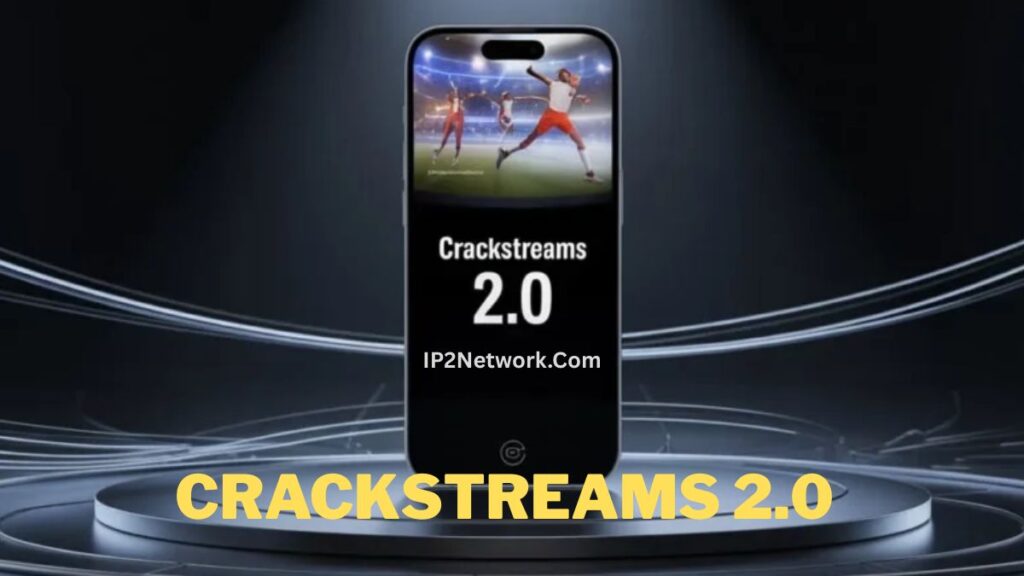
Let’s be honest. You’re scrolling through social media on a big fight night or during the NFL playoffs. Your feeds are buzzing, but the price tag for the official pay-per-view or the required cable subscription feels… steep. Then you see it: a comment, a forum post, a quick tweet. “Try Crackstreams 2.0, link in bio.” It promises free, high-definition access to the very event everyone is talking about. The temptation is real, and millions have felt it.
But what is Crackstreams 2.0, really? Beyond being just another sketchy URL, it represents a persistent, evolving chapter in the ongoing cat-and-mouse game between sports and entertainment pirates and the multi-billion dollar industries they target. This isn’t just a website review; it’s an exploration of the ecosystem, the significant risks involved, and the sobering reality of why so many are searching for this digital phantom.
What Was Crackstreams, and What Is “2.0”?
To understand “2.0,” we need to rewind. For years, “Crackstreams” operated as a notorious hub for illicit live streams. It wasn’t alone—it was part of a constellation of sites like Buffstreams, Sportsurge, and others that acted as portals. They rarely hosted content themselves. Instead, they were aggregators, curating links to streams hosted on third-party servers, often bouncing from one domain to another as previous ones were shut down by legal action.
The original Crackstreams domains faced relentless pressure. Lawsuits from entities like the UFC, NBA, and major broadcasters led to seizures and shutdowns. This is where the “2.0” mythology kicks in. “Crackstreams 2.0” is not an official, upgraded service. It’s a label adopted by clone sites, copycats, and opportunistic new domains that spring up to fill the void left by the originals, capitalizing on the brand recognition and search traffic of the name.
It’s a hydra: cut off one head, and two more appear with a similar name. You might see variations like Crackstreams.io, Crackstreams.work, Crackstreams.biz, or sites that simply brand themselves as “Crackstreams 2.0” to signal they’re the “next generation.” This constant rebranding and domain-hopping is the first major red flag.
The Allure: Why People Are Drawn to Sites Like Crackstreams 2.0
The value proposition is simple and powerful, which is why these sites persist despite the dangers.
- Cost: It’s free. This is the overwhelming draw. With official streaming packages and PPV events often costing $70-$100 or requiring bundled subscriptions, the financial appeal is undeniable.
- Access: For fans outside a specific region, or “cord-cutters” without traditional cable, these sites can seem like the only way to watch certain games or events due to restrictive broadcasting rights and blackouts.
- Convenience (An Illusory One): The promise is “click and watch.” No creating an account, no entering payment details, no dealing with geo-restrictions.
But as the old saying goes, if you’re not paying for the product, you are the product. The cost here is just hidden—and it can be substantial.
The Hidden Costs: Risks Far Beyond a Broken Stream
This is the crucial section. The practical risks of using Crackstreams 2.0 and its clones are severe and multifaceted.
1. The Malware and Security Minefield
These sites are funded primarily in two ways: intrusive, often malicious advertising, and data theft. The ad networks used are the underbelly of the internet.
- Aggressive Pop-ups & Redirects: You’ll face a barrage of pop-ups, fake “download” buttons, and redirects to adult sites or phishing pages. Just closing them is a game of digital whack-a-mole.
- Malware Distribution: These ads can silently deliver malware, ransomware, spyware, or trojans to your device. This can lead to stolen passwords, bank details, hijacked social media accounts, or a crippled computer.
- “Fleeceware” & Scam Subscriptions: A common tactic is a pop-up that looks like a system alert, claiming you need to “update your Flash Player” or “run a virus scan.” Clicking it can subscribe you to exorbitant weekly fees deducted from your phone bill.
2. The Unreliable User Experience
Forget the promise of seamless, high-definition glory.
- Buffering & Lag: Streams are overloaded, especially during peak events. You’ll experience constant buffering, drops in quality, and lag that can put you minutes behind the live action—ruining the real-time excitement.
- Dead Links & Shutdowns Mid-Event: Streams go dead without warning. The site itself can be seized or shut down during a major event, leaving you scrambling.
- Poor Quality: While “HD” is promised, you’re more likely to get a pixelated, blurry mess with out-of-sync audio.
3. The Legal Grey Area (Leaning Heavily to Black)
While viewers are rarely targeted individually for prosecution (the focus is on operators), you are still accessing copyrighted material without permission.
- You Are Supporting Piracy: This undermines the leagues, networks, and creators who produce the content. It can affect broadcast deals and, ultimately, the sports and shows you love.
- ISP Notices: In many countries, including the U.S., your Internet Service Provider (ISP) may detect this activity and send you a copyright infringement notice, which can escalate to throttling your speed or, in extreme repeat cases, terminating your service.
4. The Privacy Problem
These sites have no privacy policies you’d want to trust. They are likely collecting your IP address, device information, and browsing data, which can be sold to the highest bidder on shady data broker networks.
The Bigger Picture: Why This Cycle Continues
The persistence of Crackstreams 2.0 speaks to a market gap. Fans feel priced out or region-locked out of content. While this doesn’t justify piracy, it explains the demand. The industry is slowly adapting with more direct-to-consumer options, but the pace and pricing often lag behind consumer desire.
Furthermore, the pirate sites themselves have evolved. They often have sleek interfaces, active Discord communities for link sharing, and a sense of “sticking it to the big corporations” that resonates with some users. It’s a flawed but potent narrative.
A Practical, Ethical Path Forward
So, what’s a sports or entertainment fan to do? Here’s a realistic approach:
- Audit Your Viewing Habits: What do you truly watch? You might find you only need one or two services for 90% of your content, making them worth the investment.
- Share Legit Subscriptions: Many official services allow 2-3 simultaneous streams. Splitting the cost with family or friends drastically reduces the individual burden.
- Embrace the Antenna: For local sports and events, the picture quality from a digital antenna is often better than compressed streaming and is completely free after the hardware cost.
- Follow the Legal Freebies: Many leagues offer a “Game of the Week” for free on their websites or apps. Platforms like Amazon Prime occasionally stream games as part of their membership.
Choosing legitimate routes isn’t just about avoiding risk; it’s about voting with your wallet for the future of the sports and entertainment you enjoy. It ensures that revenue goes back to the creators, players, and production crews.
The Final Whistle
Crackstreams 2.0 is a symptom, not a solution. It’s a constantly shifting alias for a high-risk, low-reward attempt to bypass the system. The temporary win of a free stream is overwhelmingly outweighed by the very real threats of digital infection, privacy violation, and supporting an ecosystem that ultimately damages the industries it leeches from.
The next time you see that tempting link, remember: the buffer icon isn’t the worst thing that can spin on your screen. A little research into legitimate, affordable options can provide peace of mind, crystal-clear reliability, and the satisfaction of watching the game without looking over your digital shoulder.
FAQs About Crackstreams 2.0
Q: Is Crackstreams 2.0 legal?
A: No. It provides unauthorized access to copyrighted content. Operating the site is illegal, and accessing the content infringes on copyright, though legal action against individual viewers is uncommon.
Q: Is Crackstreams 2.0 safe?
A: It is categorically unsafe from a cybersecurity perspective. The risk of malware, phishing, and data theft is extremely high. You are trading digital safety for free content.
Q: Do I need a VPN to use Crackstreams 2.0?
A: A VPN can mask your IP address from your ISP and the site itself, adding a layer of privacy. However, it does not make the site safe. It doesn’t block malware or stop you from clicking a malicious ad. It’s a layer of obscurity, not a shield against threats.
Q: What are the alternatives to Crackstreams 2.0?
A: Legitimate alternatives exist, though they cost money. The value is in reliability, quality, and safety.
- Official League Apps: NFL Sunday Ticket (via YouTube TV), NBA League Pass, MLB.TV, ESPN+.
- Live TV Streaming Services: YouTube TV, Hulu + Live TV, Sling TV, FuboTV (offer packages with sports channels).
- Digital Antennas: For local broadcast games (NBC, CBS, FOX), a one-time purchase can provide free, legal HD quality.
Key Takeaways
- Crackstreams 2.0 is not a single, official site. It’s a label for volatile clone sites that operate illegally by streaming copyrighted sports and PPV events without authorization.
- The risks are severe and practical: High exposure to malware, phishing scams, aggressive ads, and data theft, alongside unreliable, low-quality streams.
- Legal repercussions for viewers are rare but exist in the form of ISP warnings; the primary legal battle is between rights holders and site operators.
- Legitimate alternatives, while costing money, provide safe, reliable access and directly support the content you love.
- Using a VPN adds privacy but does not make these sites safe from malware or other scams.