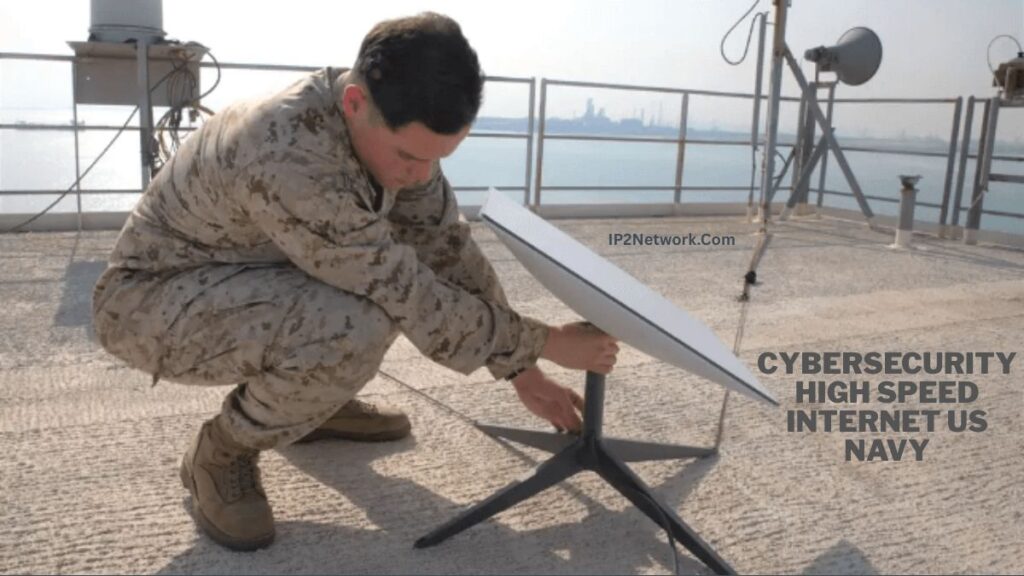
The modern battlefield depends on data, communication, and real-time information more than ever before. For the US Navy, maintaining secure, high-speed internet is not just a convenience — it is a critical national security requirement. As technology evolves, so do cyber threats, making cybersecurity and high-performance networks essential for missions, intelligence, and global operations.
This article explains why cybersecurity and high-speed internet are now deeply connected within the US Navy’s digital infrastructure. Let’s explore about Cybersecurity High Speed Internet US Navy.
What Does High-Speed Internet Mean for the US Navy?
For the US Navy, “high-speed internet” does not mean simple browsing — it refers to fast, stable, and secure communication networks used for:
- Ship-to-ship communication
- Command center data exchange
- Real-time satellite connectivity
- Mission updates
- Secure digital navigation
- Intelligence and surveillance systems
These networks must remain operational across oceans, harsh weather, and remote environments.
Why Cybersecurity Is Critical for Naval Internet Systems
Cyber threats targeting military systems are becoming more advanced. The US Navy must protect:
- Classified mission data
- Navigation and radar systems
- Communication channels
- Weapons coordination systems
- AI-powered decision tools
- Cloud-based military platforms
A single breach could disrupt missions or compromise national security.
Key Cybersecurity Measures Used by the US Navy
While the Navy doesn’t publicly reveal full security details, typical military-grade protections include:
1. Zero-Trust Security Framework
Every device, user, and system must be verified — even inside the network.
2. Encrypted Communication Channels
All data is encrypted, making it extremely difficult for unauthorized parties to decode.
3. Secure Satellite Connections
Protected satellite networks support global communication without interruption.
4. Real-Time Threat Monitoring
AI-powered systems scan for unusual activity and cyberattacks instantly.
5. Hardened Hardware Systems
All equipment is built to resist digital attacks, environmental threats, and physical damage.
6. Multi-Layered Firewalls & Intrusion Detection
Advanced detection systems block suspicious behavior before it becomes a threat.
How High-Speed Internet Supports Naval Operations
Faster Mission Coordination
Teams can receive mission updates in real time.
Improved Surveillance and Intelligence
High-bandwidth systems support video data, drones, satellites, and sensors.
Stronger Global Communication
Ships, submarines, aircraft, and bases communicate instantly.
Rapid Decision Making
Commanders rely on fast data to make life-or-death decisions.
Support for Modern Technologies
AI, cloud systems, and autonomous tools all require fast and secure networks.
Challenges the US Navy Faces
Even with advanced technology, challenges exist:
- Operating secure networks in remote ocean regions
- Protecting against foreign cyberattacks
- Ensuring communication during combat
- Managing thousands of connected devices
- Updating legacy systems to modern platforms
The Navy continuously invests in cyber defense teams, advanced training, and cutting-edge digital tools to address these challenges.
The Future of Cybersecurity & High-Speed Networks in the Navy
The next generation of naval communication will likely include:
- Quantum-resistant encryption
- AI-driven cyber defense
- 5G & satellite hybrid networks
- More autonomous ships and drones
- Advanced cloud-native command systems
These systems will make naval operations faster, smarter, and more secure.
FAQs About Cybersecurity High Speed Internet US Navy
1. Why does the US Navy need high-speed internet?
To support real-time communication, navigation, surveillance, and mission coordination across global operations.
2. How does the Navy protect its digital systems?
Through military-grade encryption, zero-trust security, AI-powered threat detection, and secure satellite networks.
3. What cyber threats does the Navy face?
Hacking attempts, espionage, communication interference, and malware targeting critical systems.
4. Does the Navy use public internet?
No. It uses private, encrypted military networks specifically built for defense communication.
5. Why is cybersecurity so important for military networks?
Because a cyberattack could compromise missions, expose classified data, or disrupt strategic operations.
6. What technologies will the Navy adopt in the future?
Quantum encryption, 5G-satellite systems, AI-driven security, and advanced autonomous communication tools.